
Operational Health across the Value Chain
Unlocking Value Chain Potential
Healthy interactions drive performance.
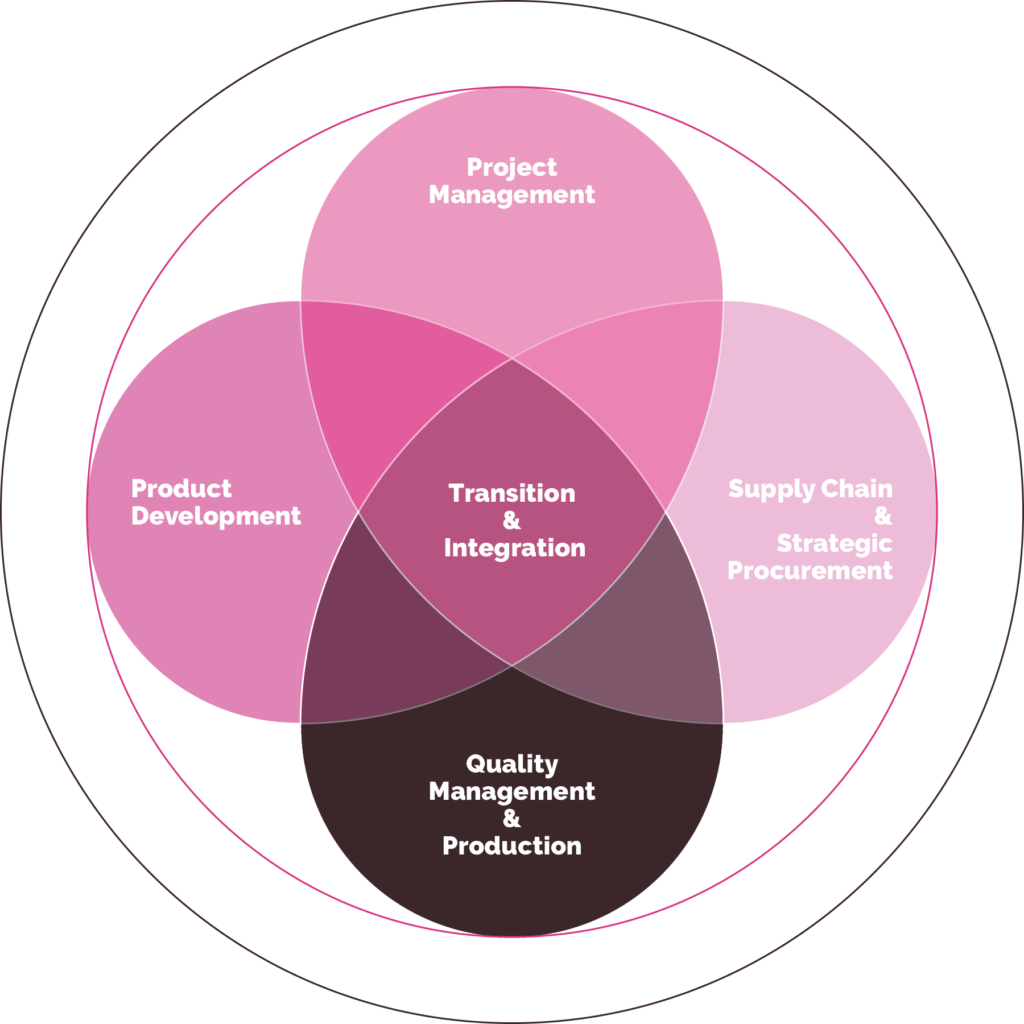
Value chain performance emerges from the way product development, procurement, quality, and operations interact, adapt, and balance trade-offs across the value chain.
While each discipline is measured against its own objectives, decisions that improve one target can negatively impact another. For example, tighter tolerances may increase product performance, but they can also drive up supplier costs, increase inspection effort, and make manufacturing processes less robust.
I help organizations improve operational health by taking a systems view—ensuring that improvements in one area do not create downstream issues in another and that decisions strengthen overall value chain performance.
Why Operational Health matters
Operational Health goes beyond traditional Operational Excellence.
While Operational Excellence focuses on improving individual processes, reducing waste, and achieving efficiency targets, Operational Health focuses on the ability of the entire value chain to perform sustainably in a dynamic environment.
It considers not only how well individual functions operate, but also how effectively they interact, exchange information, adapt to change, and balance competing objectives.
A healthy operation is characterized by strong cross-functional alignment, clear decision-making, seamless information flow, rapid feedback loops, and the ability to respond to disruptions without creating unintended consequences elsewhere in the system.
Operational Health therefore combines performance, resilience, adaptability, and systems thinking. It enables organizations to maintain stability under normal conditions while continuously adapting to changing customer requirements, market conditions, supply risks, and operational challenges.
The objective is not to optimize individual functions, but to improve the performance of the value chain as an integrated system.